DISCLAIMER :

Dont believe anything you read, and half of what you see, here !


If a picture doesnt have the blog address as a watermark, it means it was not edited by me. Also we intentionally photoshoped these picture in a low quality photo manipulation, because we dont want anyone to repost this as the truth.

Most of the article are not ours either. We edited it to be match our posts or simply for seo.

Use your common sense to differentiate the truth from hoax.. we sometimes mix it all in.
Showing posts with label USAF. Show all posts

Friday, April 27, 2012

F-35 Joint Strike Fighter Takes On Thunderbirds Stripes


Though we’re likely a decade from seeing the F-35 Joint Strike Fighter in action, much less in the Air Force's elite Thunderbirds squad, that hasn’t stopped Lockheed Martin from releasing these images of the military’s new fighter jet in full Thunderbirds dress.

The multimedia team at Lockheed’s aeronautics division released the photos in a somewhat odd effort to virally market a $100 million fighter jet. The F-35, developed by Lockheed along with Northrop Grumman and BAE Systems, is still under development, though the Pentagon has ordered 2,400 of the all-purpose aircraft for delivery over the next two decades.

As for the Thunderbirds stripes, it looks like the F-35 may be the next fighter jet to don the colors, replacing the F-16C/D Block 52s currently in service. While the military has 187 formerly-next-gen F-22 Raptors built or on order, it looks like the F-35 is going to leapfrog its Cold War-era counterpart completely. The Senate voted today to drop funding for seven additional F-22s, and when a military program dies, it’s generally not easy to resurrect.

Tuesday, April 10, 2012

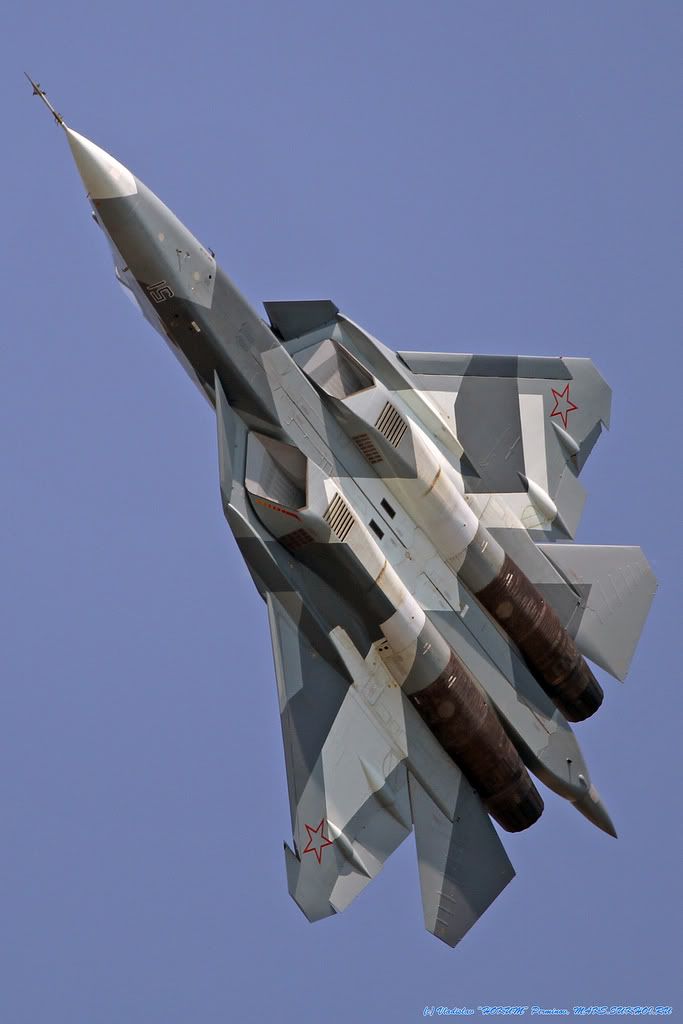
Hi-Res Pic of Sukhoi Pak-Fa in Thunderbirds color scheme

The original pic i had made is of 300 pixel/inch resolution, but that doesnt upload due to my slow internet. So until is get my DSL connection, i reduced this one to 100 pixel/inch resolution and uploaded.

I like how it turned out . Painting white with preserving the darker shades was a bit of a challenge, but it was fun doing it . I think i have painted enough detail on this model. though i have to thank the Anonymous Artist who made this Pak-Fa model in complete grey color-scheme, which opened a whole lot of possibilities for me and encouraged me to go forward.

Thursday, March 22, 2012

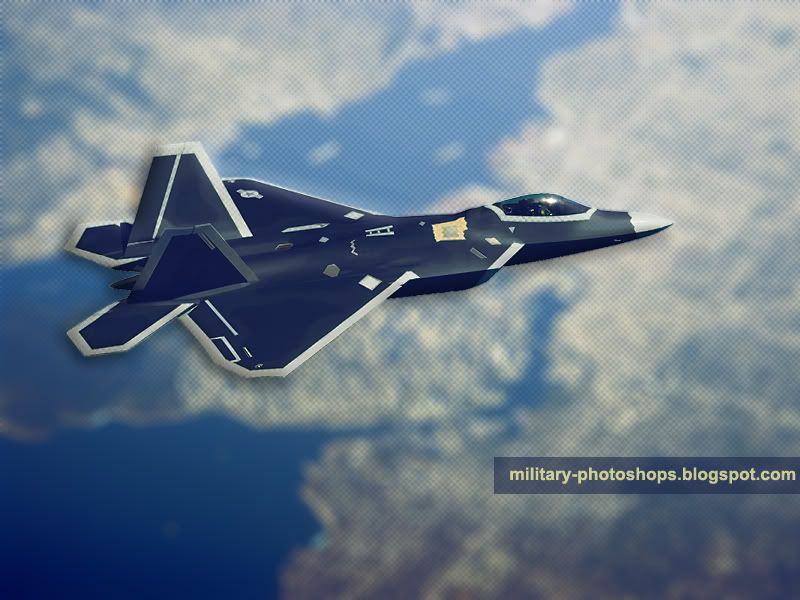
USAF F/A-22 Raptor 3d photo in Dark Grey Ghost Color scheme

USAF F/A-22 Raptor 3d photo in Dark Grey Ghost Color scheme  .

Saturday, January 7, 2012

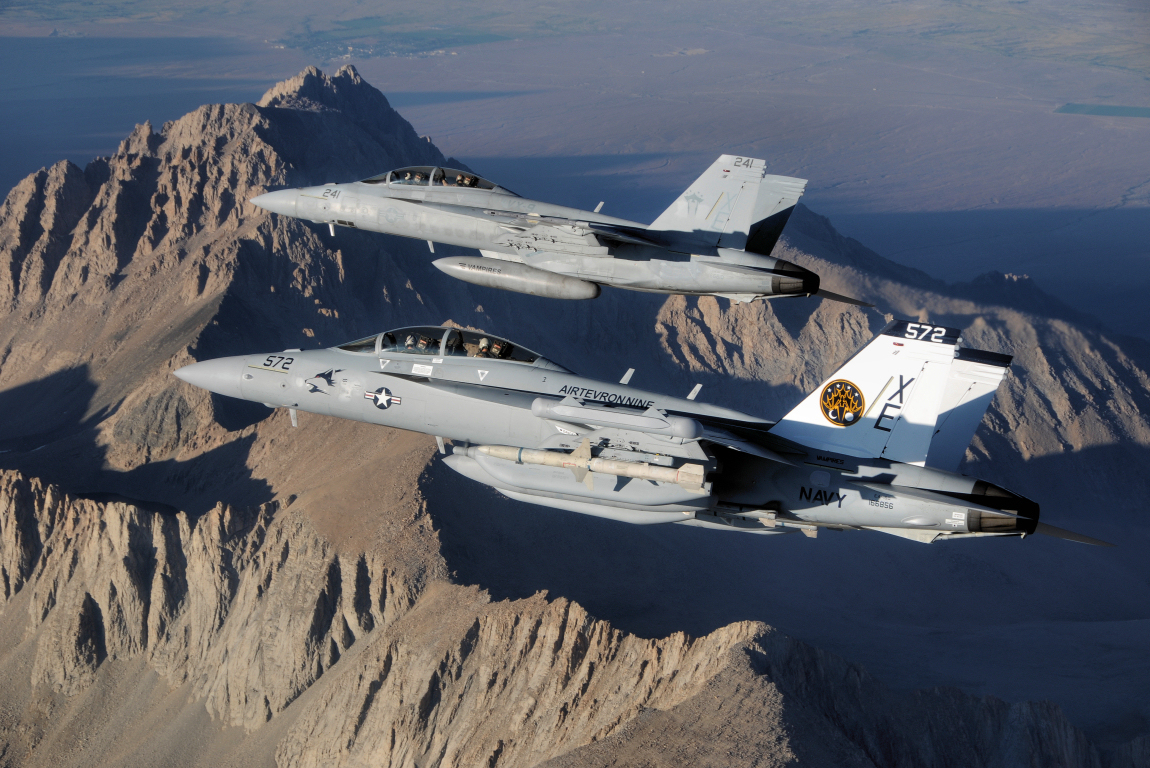
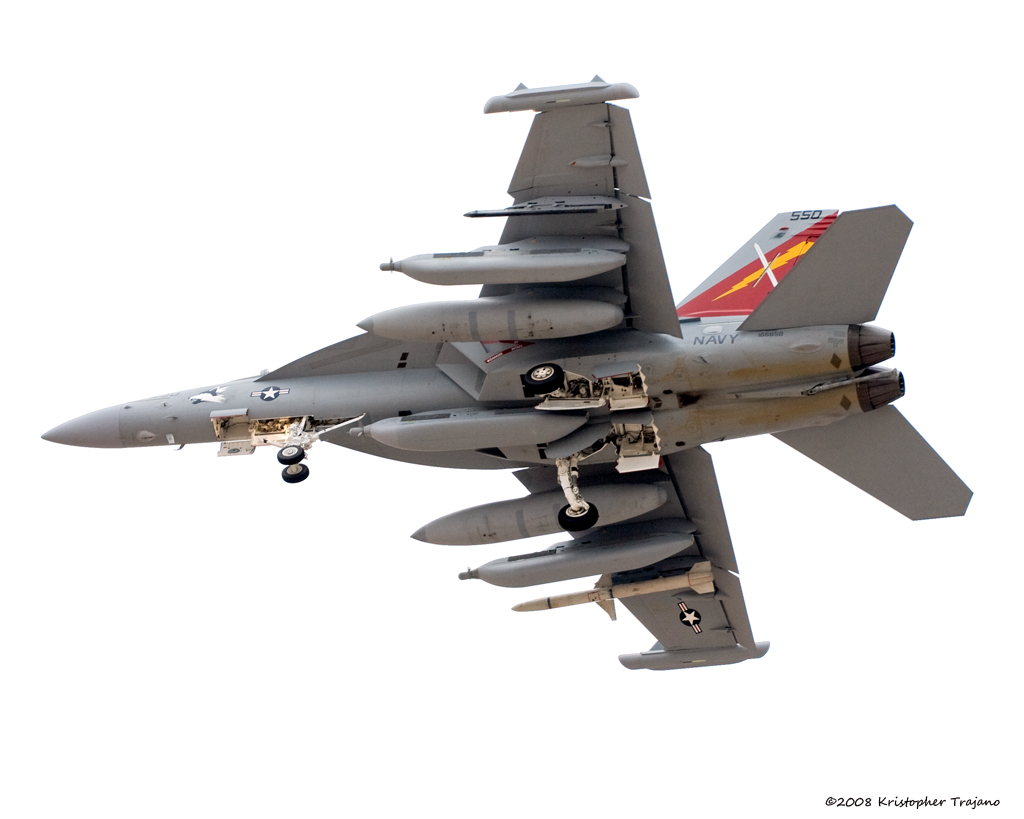
EA-18G Growler wallpapers


SD551 (EA-18G-1) During Initial Sea Trial on aircraft carrier USS Eisenhower


Boeing EA-18G Growler 166895 VAQ-129 Vikings NAS Whidbey Island WA Taxiing out at NAF El Centro CA


Landing Nellis AFB, Las Vegas


Aircraft: Boeing EA-18G Growler (166897)Unit: VAQ-129 "Vikings"Base: NAS Whidbey Island, WA That is NOT a Super Hornet !! the brand new EA-18G Growler, the substitute of the EA-6B Prowler. Looks like the Rhino, but note the wingtips and the ALQ-99 jammer pods.

AN/ALQ-218 (V)2 wideband receiver wingtip pod detail on a Boeing EA-18G Growler 166893 from VAQ-129 Vikings NAS Whidbey Island at NAF El Centro

Thursday, January 5, 2012

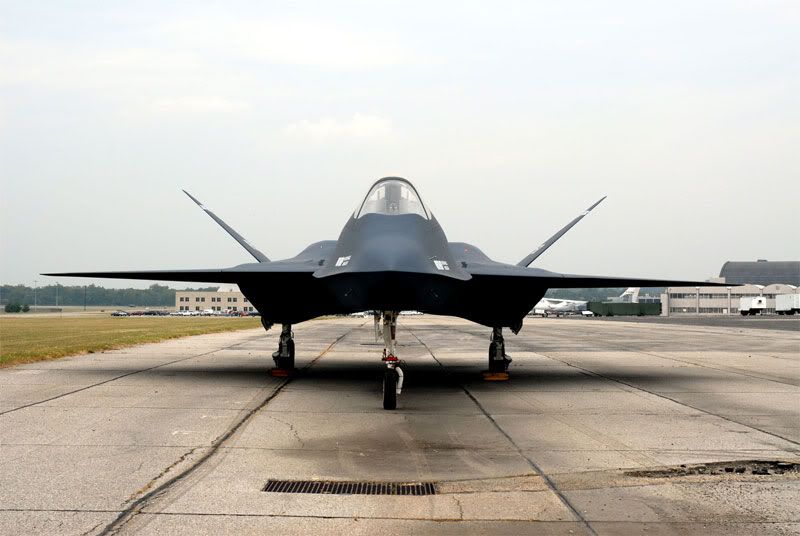
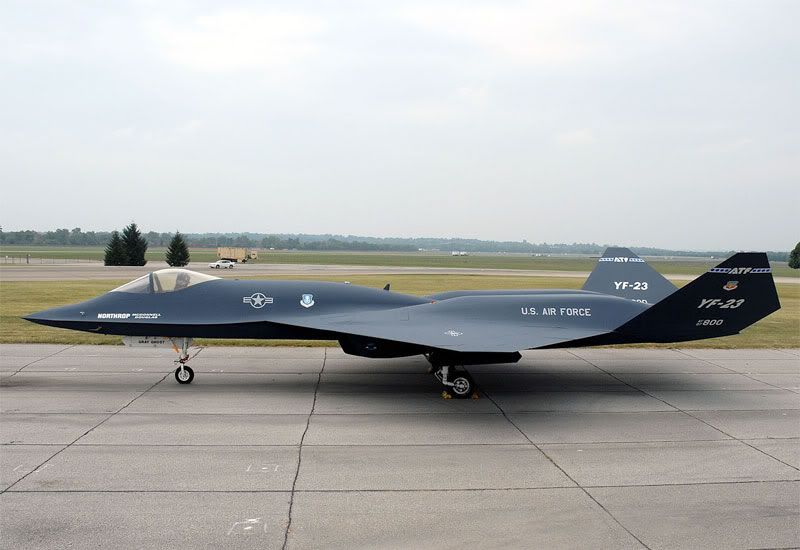
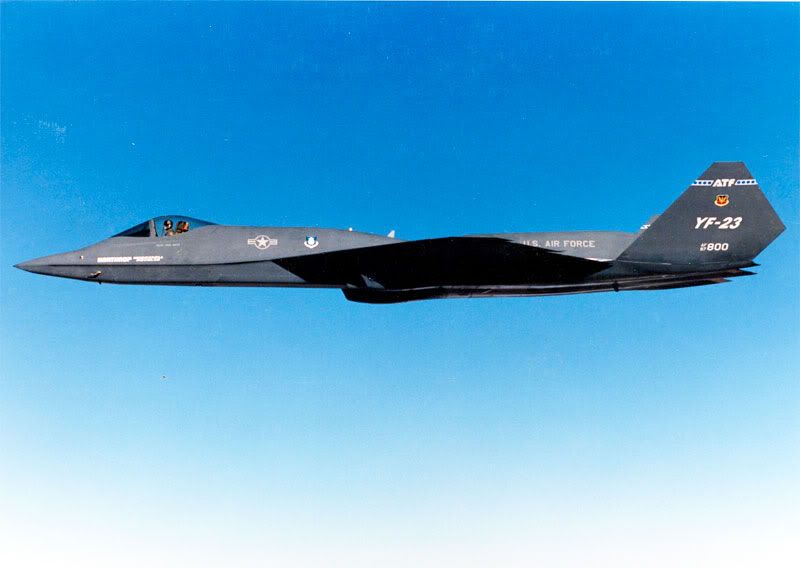
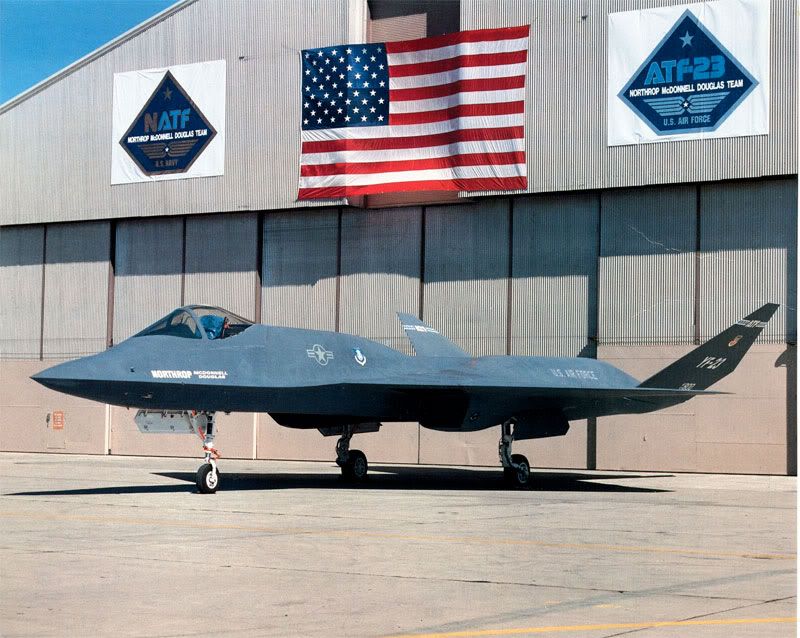
YF-23 Black Widow II photos


The Northrop/McDonnell Douglas YF-23 "Black Widow II" — unofficially named by Northrop after its P-61 Black Widow — was a prototype fighter aircraft designed for the United States Air Force. It was passed over in favor of the YF-22 that has entered production as the F-22 Raptor.

Design and development

The YF-22 and YF-23 were competing in the USAF's Advanced Tactical Fighter program. Conceived in the early 1980s, to specify a replacement for the F-15 Eagle, contracts for the two most promising designs were awarded in 1986, with the YF-23 delivered in 1989 and the evaluation concluded in 1991. Many levels of subcontractors were lined up on each side of the decision, and some on the losing side did not survive long afterwards.
The YF-23 was designed with stealth as a high priority and was a highly unconventional-looking aircraft with diamond-shaped wings blended with the fuselage and a V-tail. The YF-23A met USAF requirements for survivability, supersonic cruise, stealth and ease of maintenance. However, the YF-22A was more maneuverable than the YF-23A and won the competition in April 1991. Another factor was that the YF-22A was also seen as more adaptable to the Navy's Navalized Advanced Tactical Fighter (NATF), though as it turned out the Navy abandoned NATF a few months later.
Although the precise results of the evaluation are not yet public knowledge, it is often claimed that the YF-23 was faster and stealthier than its competitor, but the USAF chose the YF-22 due to simply being more conventional, higher subsonic maneuverability, longer range, and better warning systems. Others point out the YF-23's comparatively flawed weapons release mechanism wherein missiles are stacked on racks, and a weapons jam of a lower-positioned missile could prevent the firing of the missile above it. In any case, the decision is still widely debated.


Testing

Two aircraft were built. After losing the competition, both YF-23 prototypes were transferred from Norththrop to NASA's Dryden Flight Center, at Edwards AFB, California. The engines were removed; NASA had no plans to perform flight tests with the airframes, but did plan to use one of the two aircraft to study strain gage loads calibration techniques.
In the end, however, both aircraft remained in storage until the summer of 1996, when the aircraft were transferred to museums. Aircraft PAV-2 was in exhibit at the Western Museum of Flight in Hawthorne, California and PAV-1[verification needed] was recently moved to the National Museum of the United States Air Force near Dayton, Ohio, where it sits along side the Boeing X-32 in the Aircraft Restoration Hangar. Aircraft PAV-1[verification needed] is now on display in an outdoor parking area at Northrop Grumman's production facility in El Segundo, California.


Revival?

In late 2004, Northrop Grumman proposed a YF-23 based design for the USAF's interim bomber requirement, a role for which the FB-22 and B-1R are also competing. Aircraft PAV-1 was moved from the Western Museum of Flight to Northrup's plant for refurbishment after being on outside display for more than a decade. Instead, Northrup used the aircraft to create a full scale model of its proposed interim bomber before restoring it back to its original configuration and returning it to the Western Museum of Flight. The interim bomber requirement has since been cancelled in favor of a more long-term, permament bomber replacement requirement; however, the same YF-23-derived design will likely be adapted to fulfill this role as well.

General characteristics


  • Crew: one pilot
  • Length: 67 ft 5 in (20.60 m)
  • Wingspan: 43 ft 7 in (13.30 m)
  • Height: 13 ft 11 in (4.30 m)
  • Wing area: 948 ft² (88m²)
  • Empty weight: 32,934 lb (14,970 kg)
  • Loaded weight: 51,320 lb (23,327 kg)
  • Max takeoff weight: 64,000 lb (29,029 kg)
  • Powerplant: × General Electric YF120 or Pratt & Whitney YF119 , 35,000 lbf (156 kN) each


Performance

  • Maximum speed: 1,400 mph/mach 2.58 (2,240 km/h)
  • Combat radius: 860-920 miles (750-800 nautical miles) unrefuelled (1,474 km)
  • Service ceiling: 65,000 ft (19,800 m)
  • Wing loading: 54 lb/ft² (265 kg/m²)
  • Thrust/weight: 1.81


Armament

  • 1× 20 mm M61 Vulcan cannon
  • 6× air-to-air missiles, including the AIM-7 Sparrow, AIM-120 AMRAAM and AIM-9 Sidewinder

Saturday, December 31, 2011

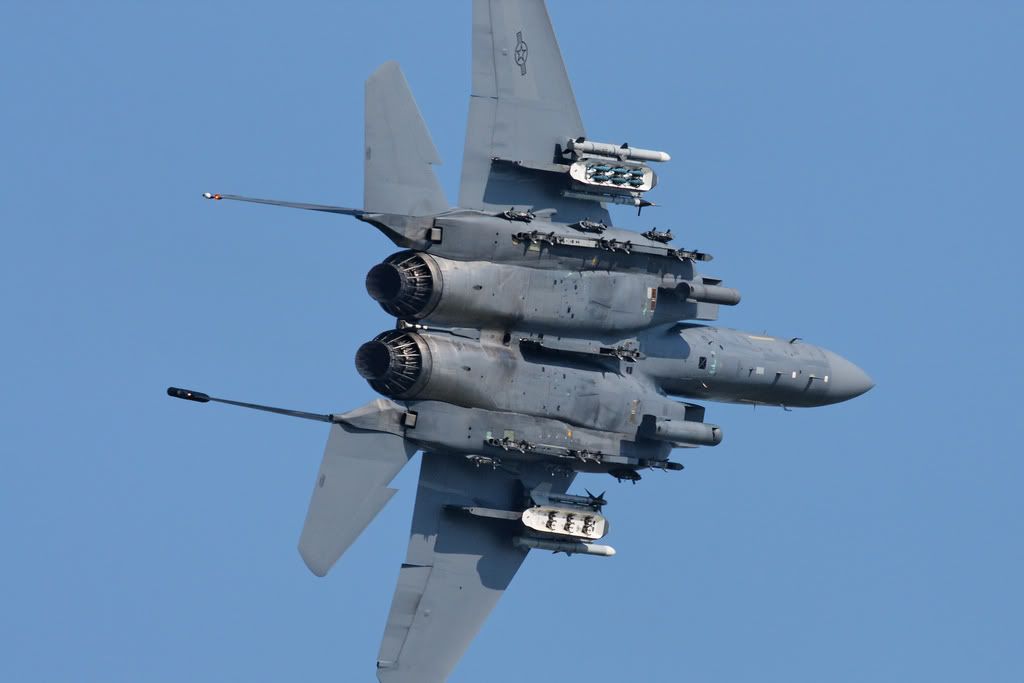
F-15E Strike Eagle Hi Quality Pics


From top to bottom,armament AIM-120 AMRAAM, a SUU-20 rack with six BDU-76 training rounds (small blue bomblets) and an ACMI pod; the two LANTIRN pods and finally AIM-9 Sidewinder, another SUU-20 (empty) and another AIM-120 AMRAAM. All the CFTs stations and the centreline are empty.


F-15e armament:

F-15 weapon system will provide world-class performance and capability while improving reliability
The Eagle can be armed with combinations of four different air-to-air weapons: AIM-7F/M Sparrow missiles or AIM-120 AMRAAM advanced medium range air-to-air missiles on its lower fuselage corners, AIM-9L/M Sidewinder or AIM-120 missiles on two pylons under the wings, and an internal M61A1 20 mm Gatling gun in the right wing root

Pak-Fa Impact on future USAF

Solomon reminded me that I hadn't commented on reports of the USAF leadership's view of the Sukhoi T-50, the prototype for the Russian PAK-FA future tactical fighter. That's because at first sight I found the statements unremarkable - but then I realized that, in itself, that is worthy of comment.

In the Cold War, you could rely on the Pentagon and the USAF to play up the Soviet threat for all it was worth. The MiG-25? Not only Mach 3 but an agile dogfighter. The Tu-22M Backfire was a B-1 equivalent with the range for strategic attacks against the US. And if you disagreed with the USAF that the nation consequently needed lots of F-15s and B-1s, you were clearly some kind of fluoride-swilling crypto-Commie prevert.

There was actually a running fight between the military intelligence agencies and the CIA, which bypassed the Pentagon and took its data to black-program teams within industry. The most public rumpus was over Backfire, where the boss of USAF intelligence tried to force McDonnell Douglas to recant the conclusions of a CIA-contracted team within the company, whose estimates of the bomber's performance were lower and far more accurate than those of Air Force analysts and the Defense Intelligence Agency.


So it's ironic to see USAF leaders downplaying the potential of the T-50,as in this report from Air Force Times. “I didn’t see anything … that would cause me to rethink plans for the F-22 or F-35,” Air Force Secretary Michael Donley was quoted as saying.  Pacific Air Forces commander Gen. Gary North, added: “I guess the greatest flattery is how much they copy you.”

Donley's comment, of course, is a demonstration of the Mandy Rice-Davies principle in action: He would say that, wouldn't he? His immediate predecessor was canned for (among other things) expressing incorrect and counter-revolutionary sentiments regarding his boss's F-22/F-35 plan. 


Gen. North, meanwhile, is falling into the old technical intelligence trap called mirror-imaging:  we want the B-1, so the Soviets must want a B-1 as well. The PAK-FA's front end bears a superficial resemblance to the F-22, but its hindquarters could not be more different, and - just for starters - it's a reasonable assessment that the Russian concept of balancing stealth with other requirements is very different from that which informed the F-22 design. 

I'm not sure that anyone has an accurate assessment of the PAK-FA threat, in terms of timing, numbers and detailed capability - that will depend on how fast the Russia-India relationship can move things forward, which in turn depends on money, as well as on technical resources. But it is pretty clearly a supercruiser, probably a good one, with some unique features that are there to combine speed and high agility without counter-stealthy aerodynamic surfaces all over the place. 

And had you started thinking about this kind of design in the late 1990s, and if "eating F-35s for breakfast" was on the requirements list, you'd end up with something like T-50. So I'd suggest that writing it off as a me-too F-22 is a bit premature.


By Bill Sweetman 

LinkWithin

Related Posts Plugin for WordPress, Blogger...