The
Azerbaijani Air and Air Defence Force often referred to as the
Azerbaijani Air Force (
Azerbaijani:
Azərbaycan hərbi hava qüvvələri) is the
air force and
air defence force of the
Azerbaijani Armed Forces.
The roots of the current organisation go back to June 26, 1918, when the
Azerbaijan Democratic Republic
bought its first military aircraft. After independence in 1991–92, the
presence of former Soviet air bases in Azerbaijan helped the Air and Air
Defence Force develop.
Jane's said in 2009 that 'efforts to acquire more modern hardware are
understood to have been underway for several years, but funding
constraints proved to be a stumbling block. Until quite recently, only
limited success was achieved, with the most significant addition to the
inventory being a handful of Su-25s that were obtained from
Georgia
in 2002. In 2007, however, Azerbaijan took delivery of the first of a
substantial number of MiG-29 'Fulcrum' fighters. These are understood to
have originated from disparate sources, including
Belarus, Russia and Ukraine, with at least some having been overhauled at
Odessa in Ukraine prior to delivery.
[9]
The United States is the most active participant in the modernisation of Air Force airfields.
[4] Airfields in Gala and the
Nasosnaya Air Base near
Haji Zeynalabidin
settlement have been modernised with US support as part of the
Azerbaijan-NATO Individual Partnership Action Plan. Special equipment
were installed there to provide flight security. The starting command
points, engineering control systems and engineering air force service
were provided with new buildings. Negotiations over the modernisation of
Kurdamir airfield are currently under way. An advanced Flight Control System has been installed at
Dollyar Air Base with support from the United States.
Since September 2008, Turkey has helped to modernise the Air Force
central command headquarters. According to a Turkish-Azeri agreement, a
NATO standard central command management center will be installed there.
A great number of projects such as joint manufacture of unmanned
aircraft will be implemented with Turkey in the near future.
Egypt is currently discussing a deal with Pakistan to co-produce the JF-17 for the
Egyptian Air Force.
[114] The
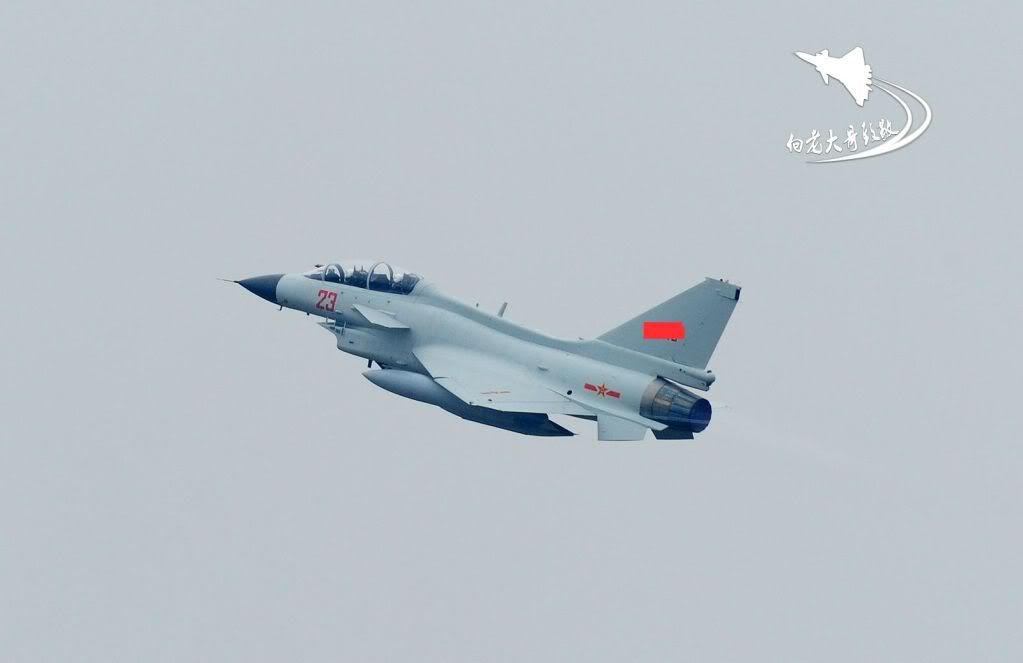
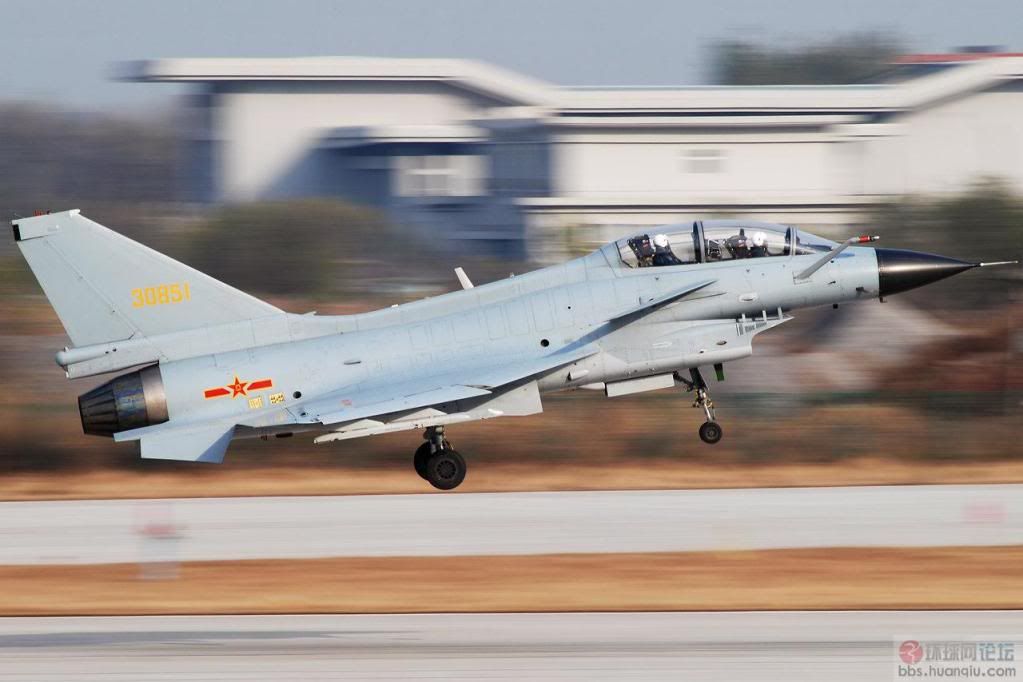
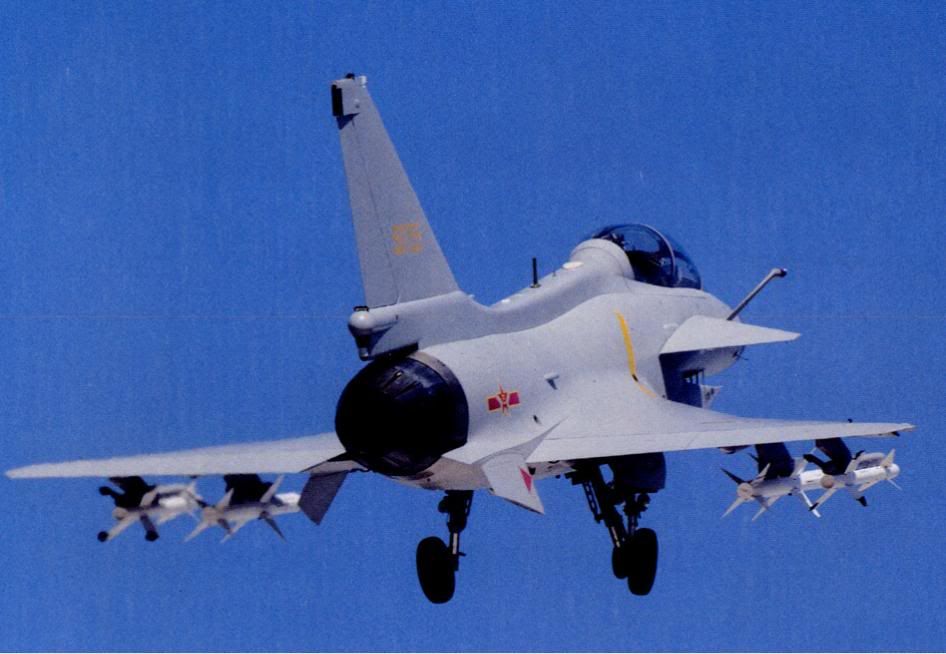
Azerbaijani Air Forces has negotiated with China for the purchase of several dozen JF-17s, worth approximately $16–$18 million each.
[115][116][117] The
Sudanese Air Force is also reported to be negotiating for 12 aircraft.
[118] The
Air Force of Zimbabwe reportedly ordered 12 JF-17 in 2004,
[119] but there are no current sources that confirm payment or intent of delivery.
[120][121][122] In 2008 several other countries including Bangladesh, Iran and Nigeria were identified as potential buyers.
[4][123]
In early 2010 it was reported that China had been in talks with around 5
to 6 countries on the JF-17, some of whom had sent air force pilots to
test-fly the fighter.
[124]
Algeria, Argentina, Bangladesh, Myanmar, Egypt, Iran, Lebanon,
Malaysia, Morocco, Nigeria, Sri Lanka and Uruguay showed interest in the
fighter plane.
[83][125]
However, the market for this type of aircraft is believed by some analysts to be limited.
[126] As of November 2012, the JF-17 has yet to achieve any export orders;
AVIC has also conducted presentations of their developing
Shenyang J-31, which is intended as a cheaper alternative to the F-35.
[127]
Argentine officials at the 2013 Paris Air Show said that they have had
multiple discussions with Chinese officials over potential co-production
of the Chengdu Aircraft Corporation (CAC) FC-1/JF-17 multirole combat
aircraft. The discussions are the first formal effort that could lead to
the co-production of a modern Chinese fighter in Latin America. FAdeA
officials said the co-produced FC-1 could be called the 'Pulqui-III',
recalling FAdeA's Pulqui-II, Latin America's first swept wing jet
fighter.
[128]


 .
.